
Accountant Salary in Atlanta, Georgia in 2025
2023年3月28日Alcoholic Neuropathy Symptoms and Treatment
Home remedies like gentle exercise, warm baths, and maintaining a balanced diet can help manage alcoholic neuropathy symptoms. Vitamins such as B1 (thiamine), B12, and folate are essential for nerve health and may support recovery, especially when combined with reducing or stopping alcohol intake. A healthcare professional can offer support for people with alcohol use disorder.

What are risk factors for alcoholic neuropathy?
Excessive alcohol https://ecosoberhouse.com/ consumption, especially for long-term drinkers, can create a host of difficult health issues. Of course, there is the potential for addiction, but developing a painful condition known as Alcoholic Neuropathy is something few people know about. If it affects two or more nerves in different areas, it’s called multiple mononeuropathy, and if it affects many nerves, it’s called polyneuropathy. The peripheral nervous system sends information from the brain and spinal cord, also called the central nervous system, to the rest of the body through motor nerves. The peripheral nerves also send sensory information to the central nervous system through sensory nerves.
- As a result, even minor nerve injuries may progress to more severe neuropathy if alcohol abuse continues unchecked.
- Your doctor may order an electromyography (EMG) nerve test that measures your muscle’s response to nerve stimulation.
- Nerve damage typically affects the axons, which are the projections that send electrical signals from one nerve to another.
- While alcoholic neuropathy is not necessarily life threatening, it is a dire warning signal that a person is drinking far too much alcohol.
What Is the Cost of Opioid Rehab?
Heidi Moawad is a neurologist and expert in the field of brain health and neurological disorders. Changes in muscle strength or sensation usually occur on both sides of the body and are more common in the legs than in the arms. Maybe changing your drinking habits feels so overwhelming that you’ve decided you’ll just live with your neuropathy. You might feel like you need alcohol to destress or have fun, or even just to make it through the day. The logic makes sense, but unfortunately, the more you drink, the worse alcohol-induced neuropathy gets. Chronic drinking also harms other aspects of your body and health, not to mention your relationships and your ability to actively engage in your own life.
Progressive & Permanent Side Effects
Early diagnosis and treatment, including alcohol cessation, nutritional support, and symptom management, can help prevent further nerve damage alcoholic neuropathy symptoms and improve quality of life. Poor nutrition often accompanies chronic drinking and exacerbates the risk of alcoholic neuropathy. Alcohol interferes with the absorption of vital nutrients such as thiamine (vitamin B1), folate, and other B vitamins, which are essential for nerve health.
- While damage may not fully reverse, symptoms can improve with alcohol cessation, a balanced diet, vitamin supplements (especially B vitamins), pain management, and physical therapy.
- Psychiatry referral, alcohol abstinence abuse programs, and support groups have shown favorable ways to help patients recover from alcohol use disorder.
- Some of your bodily functions are autonomic, which means that you don’t directly control them.
- Severe alcoholic neuropathy can affect motor weakness due to nerve damage.
Medical History: Evaluate alcohol consumption patterns and nutritional deficiencies linked to neuropathy
Early intervention at this stage can prevent irreversible nerve damage and improve overall health outcomes. A medical detox program followed by a comprehensive alcohol rehab program can manage alcoholism and help a person to get sober and stay that way. Many alcohol rehab programs help to manage co-occurring disorders, such as alcoholic polyneuropathy.
- A diet rich in B vitamins—particularly B1 (thiamine), B6, and B12—is essential, as alcohol depletes these nutrients, which are critical for nerve function.
- Key markers include vitamin B12 and folate levels, as deficiencies are common in individuals with alcohol use disorder due to poor nutrition.
- Using a reflex hammer, test deep tendon reflexes at the knees, ankles, and biceps.
- Schwann cells can aid in the regeneration and functional restoration of injured nerves.
Chronic alcoholics are particularly vulnerable, as long-term alcohol consumption often leads to impaired gastrointestinal absorption, making it difficult for the body to absorb essential nutrients. This results in nutritional deficiencies, with thiamine deficiency being especially common and a significant risk factor for nerve damage. Patients with alcoholic neuropathy generally present with symmetrical polyneuropathies in the lower distal extremities.
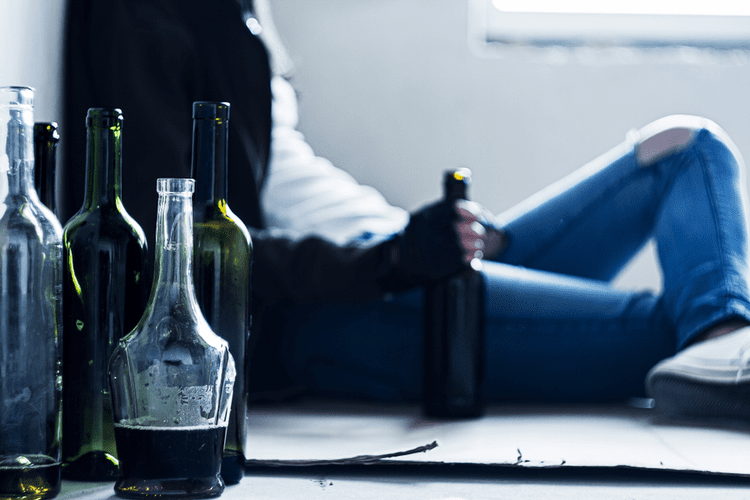

Addressing these symptoms promptly through lifestyle changes, nutritional support, and medical intervention can help mitigate the progression of alcoholic neuropathy and preserve nerve function. In the early stages of Sober living home alcoholic neuropathy, the cumulative effects of prolonged alcohol abuse, vitamin deficiencies, and direct nerve toxicity begin to manifest subtly. The body’s inability to absorb and utilize essential nutrients, coupled with alcohol’s harmful effects on nerves and metabolism, creates a cascade of damage. Recognizing these causes is crucial for early intervention, as reducing alcohol intake and addressing nutritional deficiencies can slow or even halt the progression of neuropathy.